

From invasive cookies to AI data harvesting, your devices are constantly leaking personal information to large corporations. If you want to stop online tracking and de-Google your digital life, the most effective first step is minimizing your reliance on U.S. tech giants. In this guide, we show you the easiest software and browser switches you can make to enhance your digital privacy, reduce your digital footprint and protect your most valuable online asset — your personal data.
While we cannot list every tool on the market, we selected our favourites based on strict security credentials and stellar reputations. To help you leave Big Tech, our main focus is on open-source, non-U.S.-based non-profits, but we will also mention a few highly secure for-profit options where appropriate.
Table of Contents
Why U.S. Surveillance Laws Threaten Your Data Privacy
We specifically target non-U.S. companies because of the country’s sweeping data jurisdiction. Under laws like the CLOUD Act and the Foreign Intelligence Surveillance Act, the U.S. government can compel American tech companies to hand over user data without a traditional warrant, even if you are not an American citizen and even if your data is stored on a server in another country. The major tech giants have spent the last two decades aggressively amassing your personal information, turning everything from your daily commute to your private emails into a centralized surveillance profile. By moving your digital life to privacy-respecting alternatives based in independent jurisdictions, you cut off that pipeline entirely.
The Best Privacy-Respecting Alternatives to Big Tech
Pulling Away From Google Chrome and Safari
Arguably the fastest and most impactful quality-of-life improvement you can make is switching your web browser. If you want to stop online tracking without sacrificing speed or extension compatibility, Brave is your best option. Out of the box, Brave actively blocks third-party cookies, fingerprinting scripts and cross-site trackers by default. While it strips out all integrated Google services, it is built on the familiar open-source Chromium platform, meaning all your favourite Chrome extensions still work seamlessly. The browser is completely free and, while it is run by a U.S.-based for-profit company, its zero-data architecture ensures there is no centralized surveillance profile for governments or corporations to exploit.
Secure Email Alternatives to Gmail and Apple Mail
Some everyday switches make a larger impact than others. Because Gmail and Apple Mail are so deeply integrated into our digital lives, ditching their email platforms is one of the most effective ways to reclaim your privacy. They aren’t the only tech giants harvesting your data, but they are undoubtedly among the biggest. Keep in mind that while the generalized risk of being hacked is scary, the constant corporate tracking is what you are actually trying to escape.
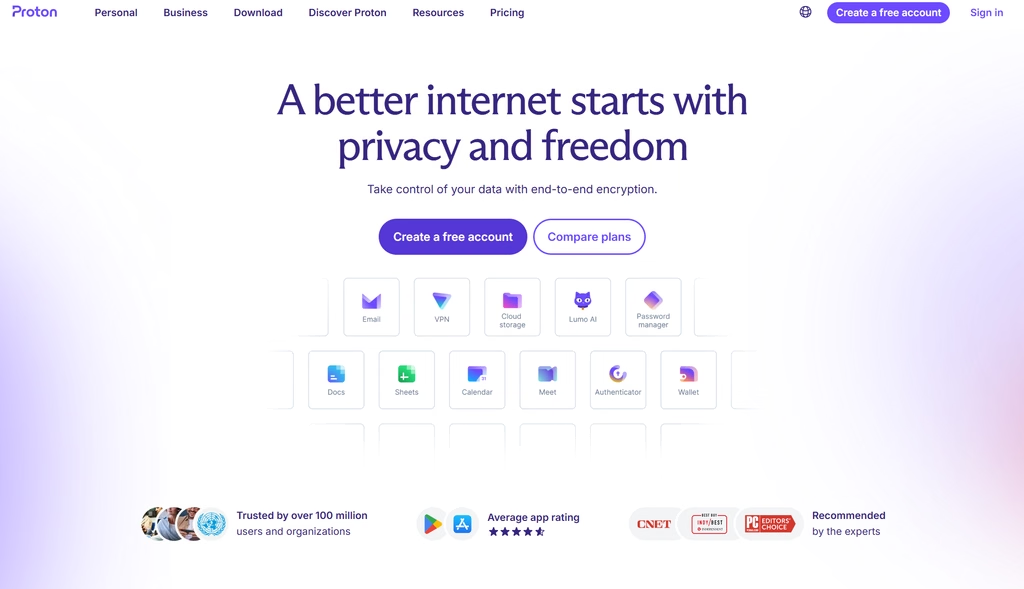
Proton Mail is our top recommendation in this category. Headquartered in Switzerland, the service operates under strict Swiss privacy laws and uses public-key cryptography and symmetric encryption protocols to provide end-to-end encryption. Crucially, this zero-access architecture means Proton itself cannot read, share or decrypt your current and past emails — it also means the company cannot recover or reset a lost password for you. This strict technical limitation is exactly what makes it one of the most private email platforms available.
While Proton offers a free tier, it functions more as a basic introduction. It covers standard sending and receiving, but restrictive inbox limits and gated features mean users relying on it daily will inevitably need to pay for a dedicated mail plan or the broader Proton Unlimited subscription. Moving to the platform is straightforward, as Proton Mail offers fully supported mobile, desktop and web apps across all major operating systems.
Cloud storage away from prying eyes
When looking to replace Google Drive or iCloud, remember that not all cloud storage is built the same. Securing your files requires a platform with a strict zero-trust, zero-access architecture. Because our digital footprints constantly demand more space, long-term cost is just as critical. Proton Drive is our top pick for cloud storage, earning its spot for the exact same reasons we rely on Proton Mail. It delivers an airtight privacy architecture, zero-access encryption and a lesser-known perk: storage that expands with you. The free tier provides 5 GB of secure space, features a built-in document and spreadsheet editor, and integrates perfectly with your secure inbox. Upgrading to the entry-level paid tier jumps your capacity to 200 GB, and uniquely, your storage limit grows automatically every year without increasing your bill.(see Proton Storage bonus).
Internet services that focus on privacy
Passwords managers
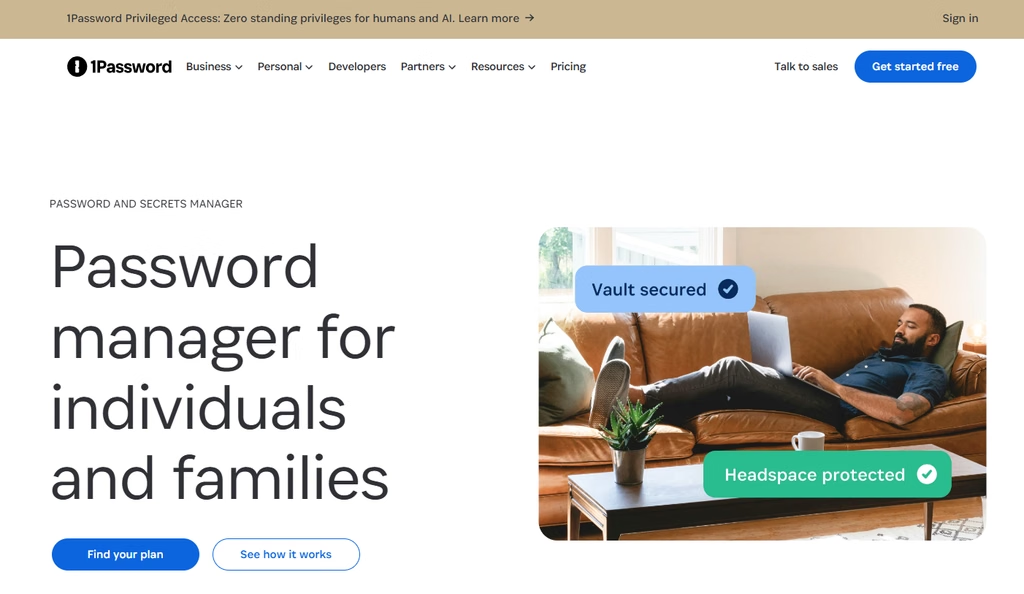
Managing dozens of complex logins is exhausting, but leaving your passwords in the hands of Big Tech is a critical privacy risk. When decoupling your digital life from major tech giants, a standalone password manager is essential. Our recommendation relies on two primary criteria: strict privacy infrastructure and seamless data portability. 1Password easily takes the top spot. Owned by AgileBits and headquartered in Toronto, the platform stands out by giving users complete control over their data residency. Instead of defaulting to American servers, you can choose to host your encrypted data in Canada or the EU. It is also an industry pioneer in future-proofing your digital security, ranking among the first platforms to fully support passkey portability across all your devices. While this option doens’t offer a free tier, we think the small cost of admission is worth the piece of mind.
Messaging apps
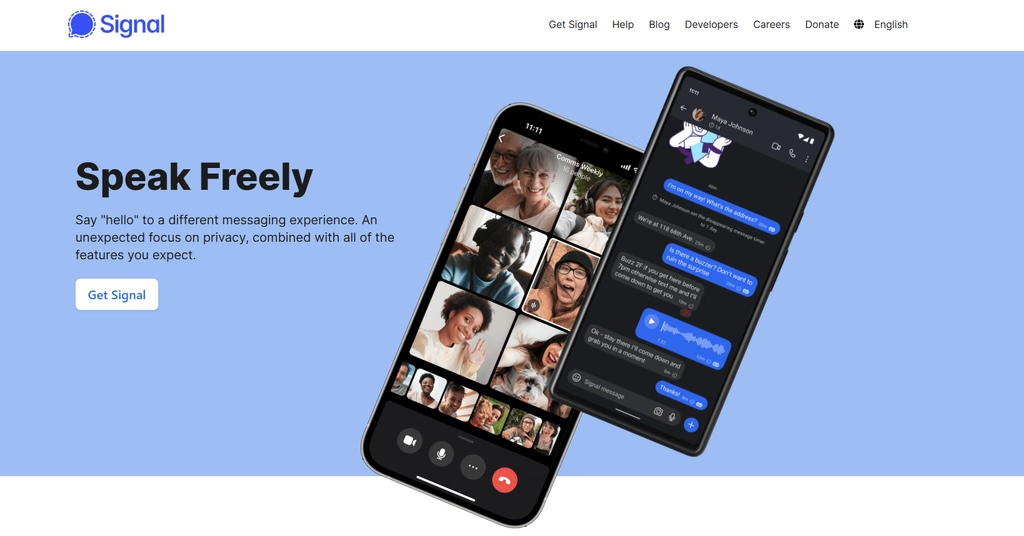
Signal is our sole recommendation for those looking to replace their standard text messaging app. Operated by the non-profit Signal Technology Foundation and co-founded by one of WhatsApp’s original creators, it guarantees an ad-free and tracking-free experience. What separates Signal from its competitors is a strict refusal to collect user metadata. Because the platform does not centrally control or store communications, and relies on airtight end-to-end encryption, your messages, photos and voice calls are mathematically locked the second you send them. By moving to Signal, you effectively sever your daily conversations from Big Tech and carrier surveillance. The app is entirely free, supports web, Android and iOS, and includes a traffic relay service for maximum privacy.
VPN and Encrypted DNS
Too many VPN choices, and unfortuantely what each one prioritizes can’t be graded the same. Our two recommendations for VPN are both paid options, but have very different offerings depending on your level desired privacy.
When it comes to encrypting your web traffic, Proton VPN is our premier recommendation. We selected it for its uncompromising privacy infrastructure and broad cross-platform compatibility. Proton proves its commitment to user anonymity through a strict no-logs policy, publicly available third-party audits and built-in Onion routing on every device. The platform also delivers a comprehensive suite of advanced security features, including Secure Core routing, split tunnelling and an automatic kill switch. Crucially, Proton VPN fully supports IPv6, giving you unrestricted and secure access to the web without leaking your location.
Our second VPN recommendation is more niche but delivers a fundamentally different approach to online security. Mullvad VPN is an open-source alternative that actively combats AI traffic analysis and strictly refuses to log user access. While it does not offer the same extensive cross-platform compatibility as other providers, it sets itself apart through completely anonymous account generation and payment methods, taking user privacy to the absolute limit.
Maps and Navgation without the politics
In this category, we have a few suggestions designed to remove corporate tracking from your navigation. Organic Maps is a privacy-focused, offline map and GPS application that leverages OpenStreetMap data to power an innovative routing experience completely free of background tracking. The app is highly accessible and available for download across major storefronts — including the Apple App Store, Google Play and Huawei AppGallery — as well as independent repositories like F-Droid, Obtainium and Accrescent.
The second option on our list is OsmAnd. Similar to Organic Maps, it uses OpenStreetMap data but provides robust tools for both online and comprehensive offline navigation. The platform guarantees strict GDPR compliance to protect your location data and operates on a freemium model, offering both free and paid tiers depending on the advanced features you require.
AI that doesn’t harvest your information
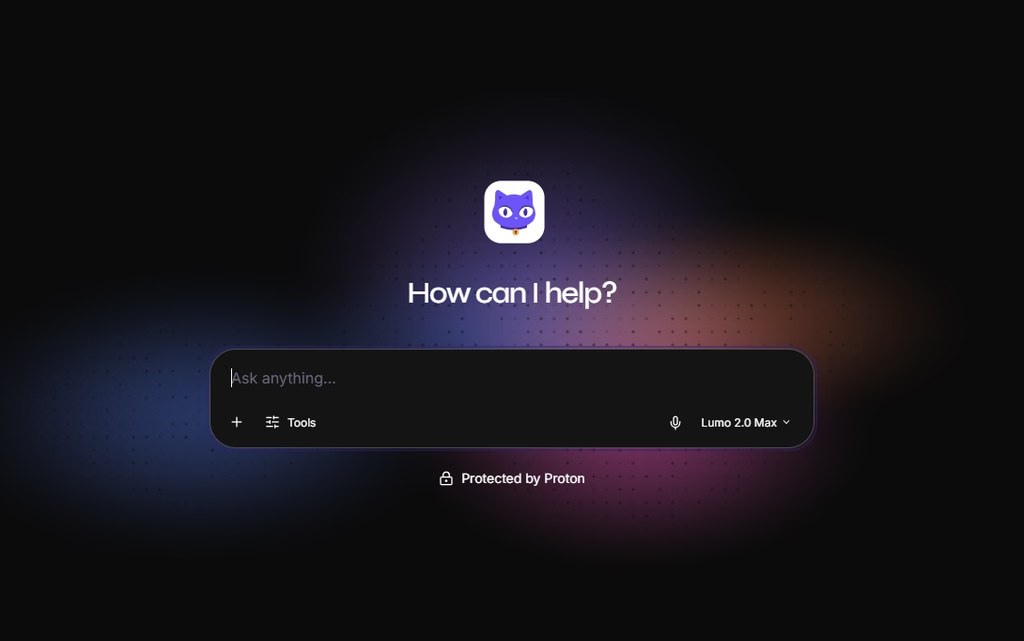
We hesitate to make definitive privacy recommendations for artificial intelligence because no AI platform can ever guarantee total data protection. However, our focus remains on finding tools that default to zero-trust encryption and adhere to strict security credentials. Right now, Lumo (linked here)— a product of the Proton ecosystem — is our only recommended choice. Lumo does not log your chats or harvest them to train future AI models. Instead, it runs entirely on Proton-controlled servers and secures every conversation with zero-access encryption.
Disclosure: The services and tools referenced in this guide are intentend to provide general guidance and advice, which may or may not be relevant for your indivudal situation. Those with increased risk or want to get specific advice should reach out to a security professional. No warranty of the information provided above. We were not paid for our advice, but will recieve commissions for certain referrals. See our terms.