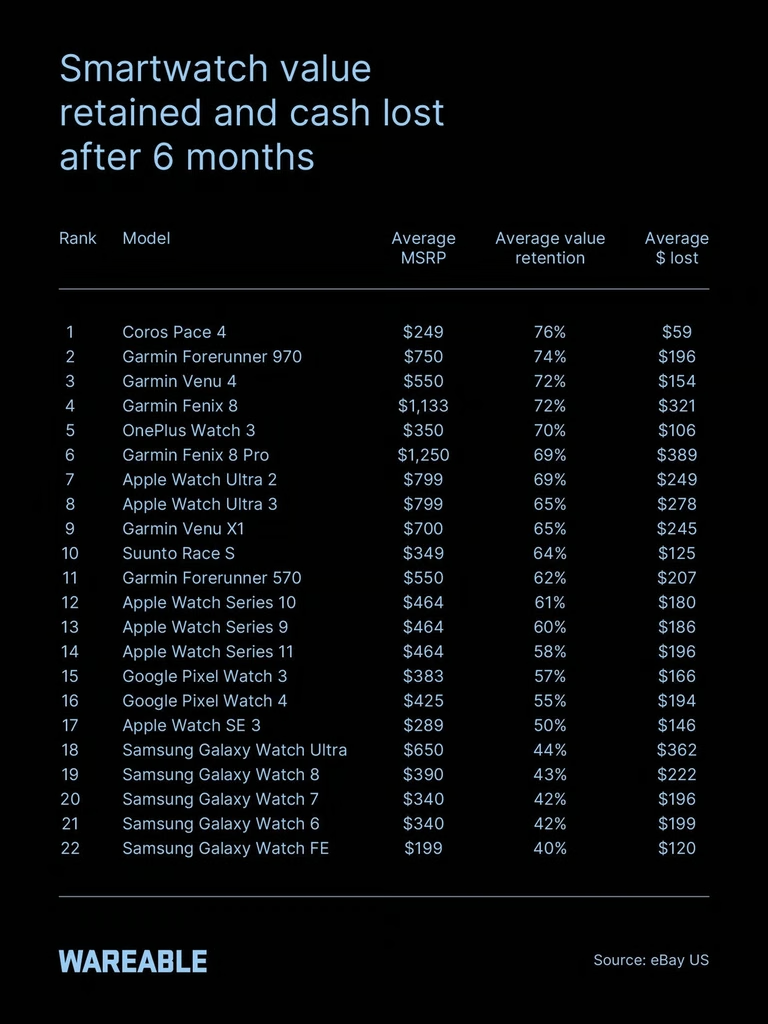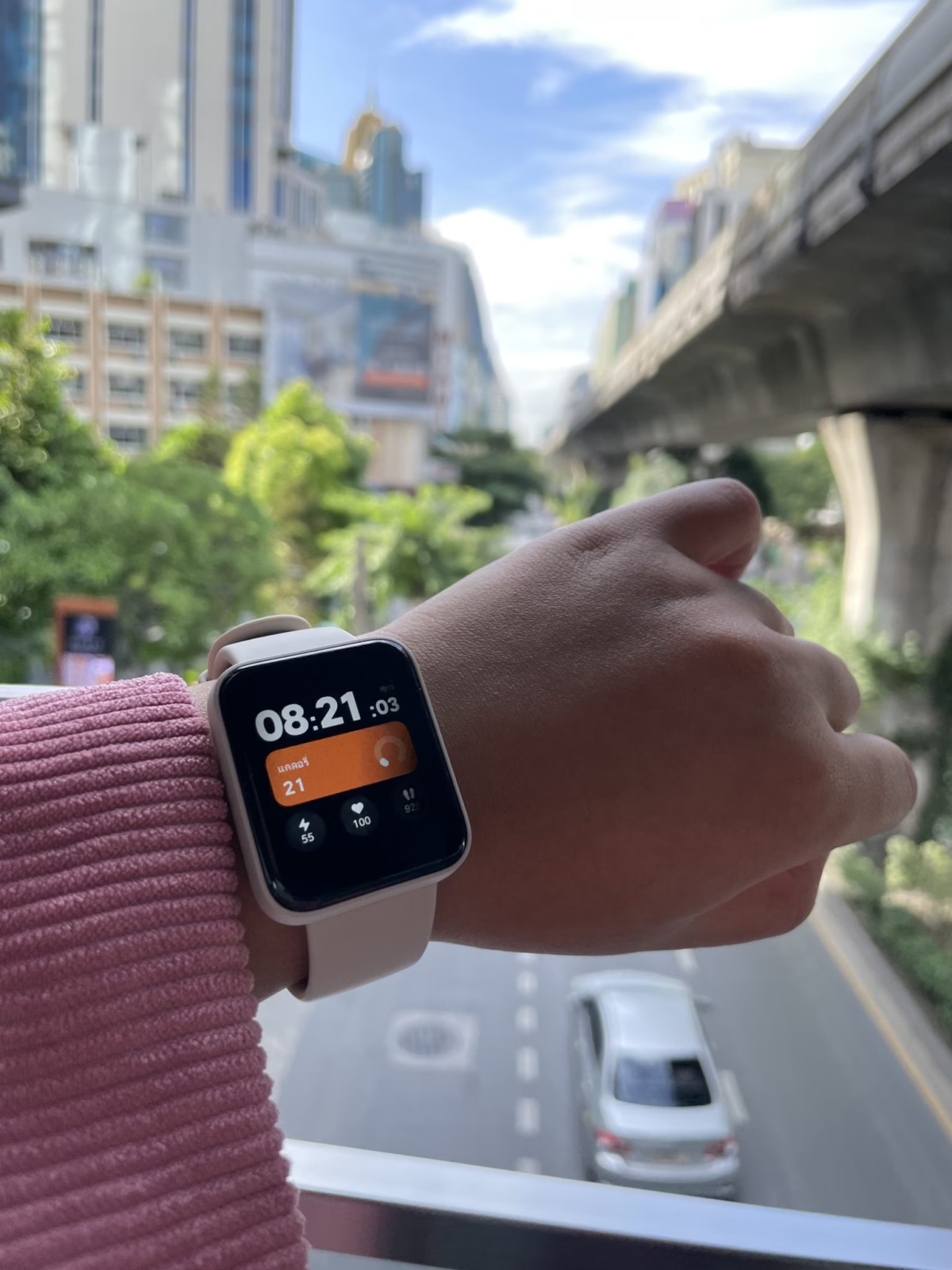
According to new research conducted by Mediatech’s Wareable publication, smartwatch owners may be surprised to know that a large percentage of the value of their purchase may be eroded as soon as 6 months after purchase. During their research, the company identified that on average premium smartwatches lost $307 after six months of ownership, whereas budget watches lost on average $133.
The research identified that much of the lost value focused on the main stream watches (i.e. Apple Watches, Samsung Galaxy Watch) , conversely the sports focused watches like the Garmin’s appeared to retain much more of their value on the resale market. While the resale market generally is small compared to that of the general smartphone market.
A contributing factor to the poor re-sale value, might be less than annual iterative pace most manufacturers take choosing to upgrade their supplemental features year-to-year and focus less on the “core” smart sport tracking. Manufacturers such as Apple and Samsung frequently release new models with only marginal improvements to display brightness, chassis materials, or processor speed, leaving consumers with little incentive to pay top dollar for a slightly older, used device.
In contrast, purpose-built fitness trackers offer robust, specialized tracking metrics—like multi-band GPS accuracy, advanced recovery algorithms, and multi-week battery life—that remain relevant for years.
Because these core athletic features don’t rapidly become obsolete, consumers view a one- or two-year-old sports watch as a highly capable training tool rather than outdated tech. This dynamic essentially splits the secondary market: mainstream smartwatches act like fast-depreciating consumer electronics, while high-end sports watches behave more like durable sporting equipment.
For buyers, the takeaway is clear. If you are purchasing a mainstream smartwatch, it is best viewed as a sunk cost rather than an asset you can readily flip to fund next year’s upgrade. Conversely, those hunting for a bargain might find the refurbished and secondary markets for flagship Apple and Samsung wearables to be increasingly lucrative.